

Work on the body
Work with the body
In tune with gravity
Rolfing®, also known as Structural Integration, was developed in the 1950s by biochemist Dr. Ida P. Rolf in the United States. Since then, there has been much research and lasting advances have been made; many respected studies have been published and the term “fascia” has gained currency.
Our connective tissue – the network of fascia – links together all the body’s internal structures and gives the body its shape. This is why Dr. Ida Rolf also described it as the “organ of form”. It reacts to external influences such as accidents, but also to stress or psychological trauma, by becoming sticky or producing additional material in order to protect and stabilise the body. Protective postures enhance this effect. In time, this causes one-sided contractions. The body is increasingly restricted and the posture is also altered.
Rolfing® loosens such adhesions and compressions, and the tissue once again becomes elastic and regains sliding capacity. Unlike other fascia treatments, Rolfing® involves the whole body, which is brought into balance with gravity. An imbalance at any point becomes compensated at other points, and this can have serious effects on other parts of the body. If the stresses are balanced, a person needs much less active muscle power to stand upright.


Where does Rolfing® help?
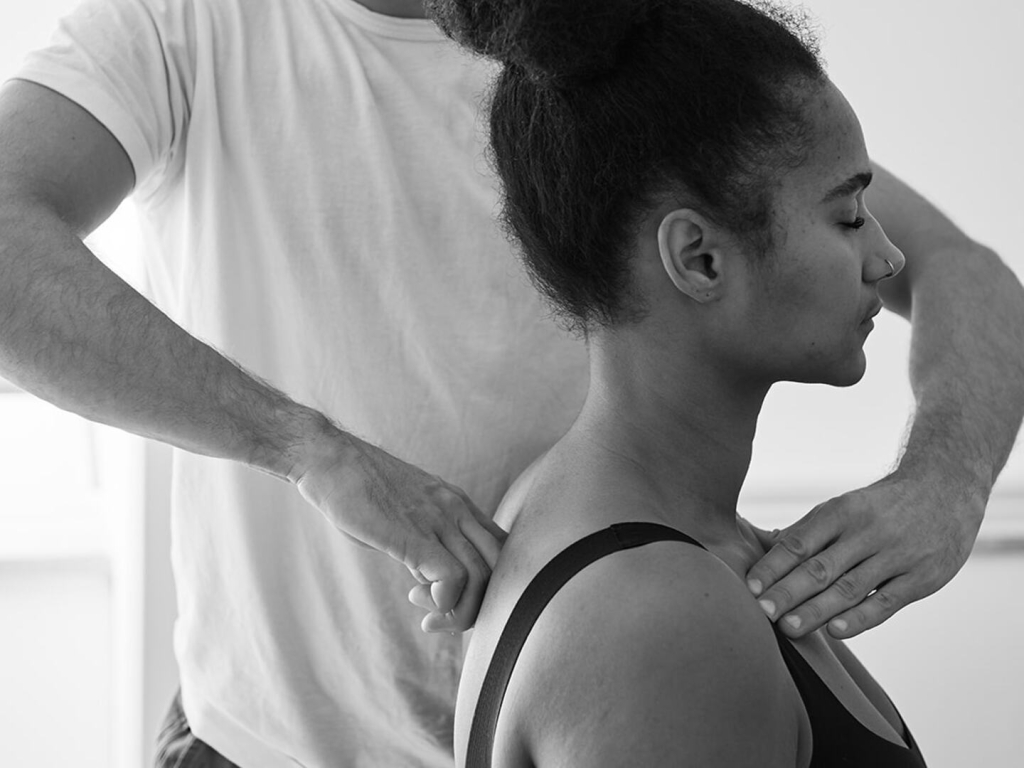
Improved Body Awareness:
By releasing tension patterns and working deeply with the fascia, not only do chronic tensions and pain dissolve, but blocked energy is also set free. Through this intensive full-body work, we begin to understand our bodies more deeply: we start to feel at home in our own skin again and move with greater ease.
Enhanced Performance:
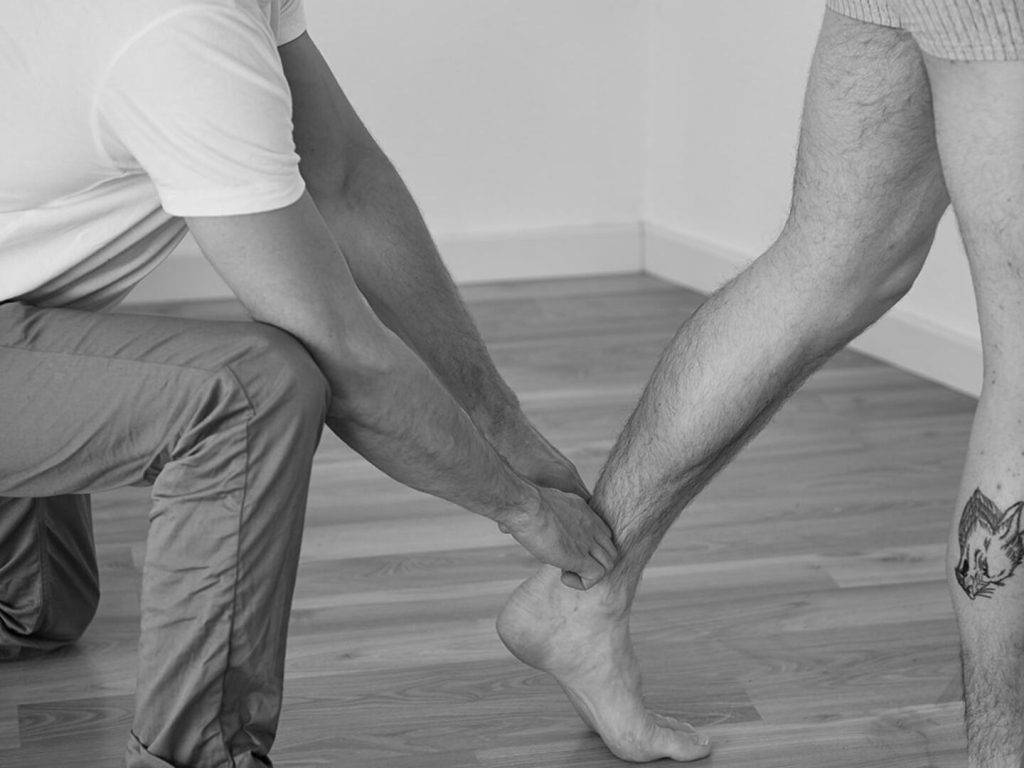
Fascial elasticity plays a crucial role in most sports. As we age, or after injuries and repeated stress, this elasticity often becomes significantly reduced. By identifying inefficient movement patterns and specifically releasing adhesions in the tissue, the body becomes more adaptable and supple – allowing it to develop more effective and efficient movement patterns.
Improved Posture:
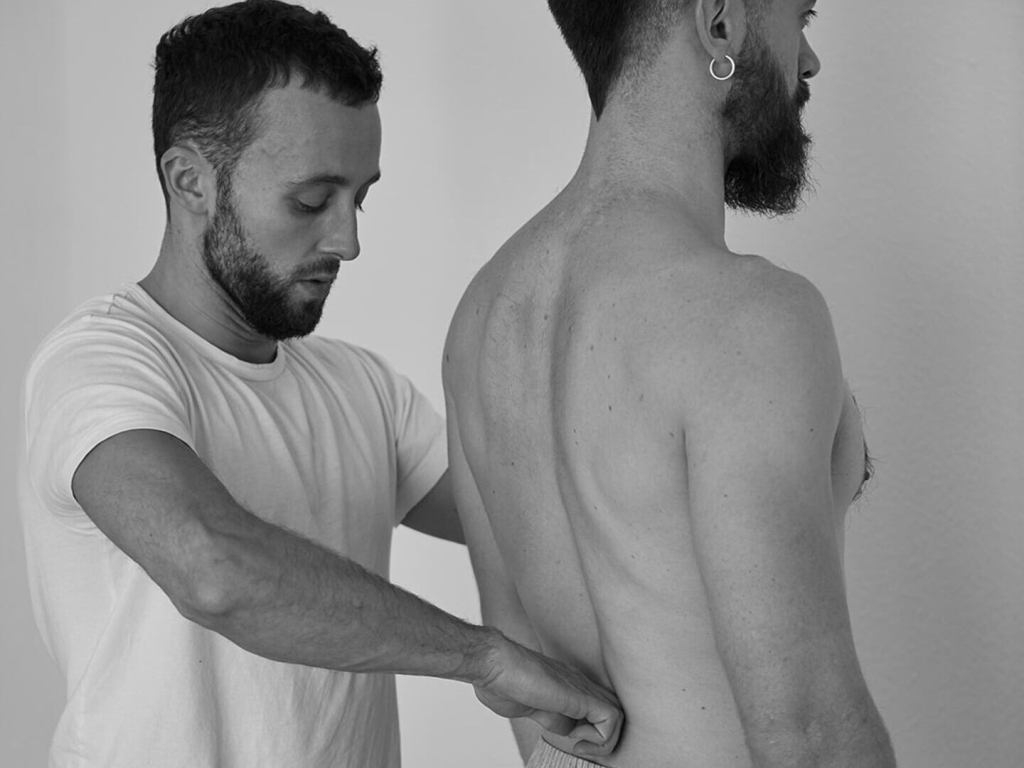
In Rolfing, we work specifically with movement patterns to develop a deeper understanding of body mechanics and how the joints interact with one another. Through movement and touch, we provide the body with sensory feedback that helps to recognize habitual patterns and supports the process of finding balance through improved posture.
Balance
Gravity is the first force acting on our body. To use it to our advantage, many factors must come into play. We often take our sense of balance for granted and rarely give it further thought. However, due to modern lifestyles—such as prolonged sitting—our ability to balance within gravity becomes increasingly limited. As we age, our relationship with gravity can start to feel like a struggle.
In Rolfing, we work specifically with the body’s connective tissue to rebalance tension patterns so that gravity can flow through us once again. This allows us to move with more grace and less effort—well into old age.
Pain. Tension. Headaches. Tension in the jaw. Tooth grinding (bruxism). “Text neck”. Neck pain. Tension in the neck. Shoulder pain. Impingement. Tennis elbow. Golfer’s elbow. Carpal tunnel syndrome. Back pain. Menstrual pain. Knee pain. Inflamed Achilles tendon. Foot pain. Bunions (hallux valgus).
